
The Best Fluffy Pancakes recipe you will fall in love with. Full of tips and tricks to help you make the best pancakes.
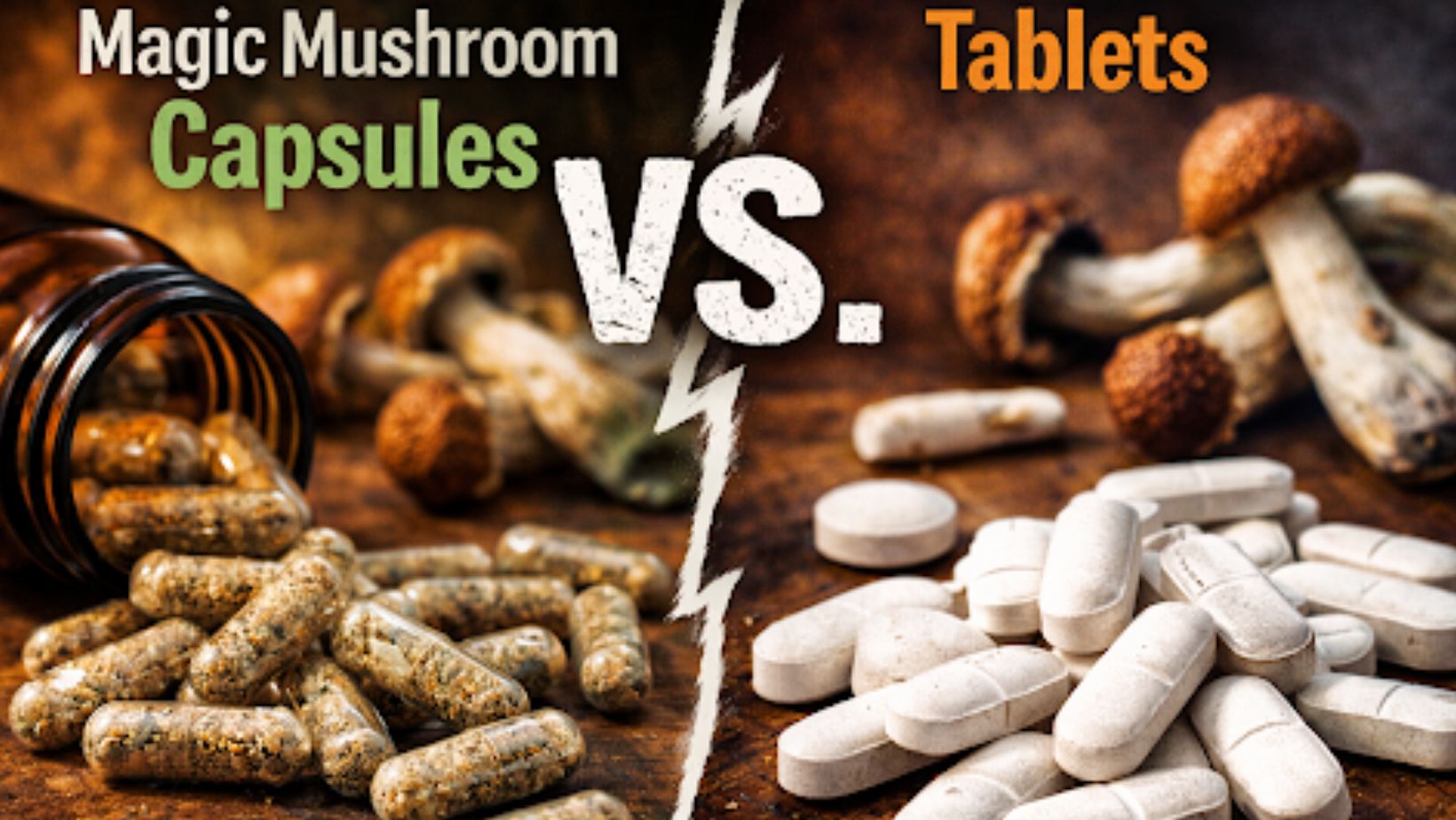
So, you’re looking to add the power of mushrooms to your daily routine, but you’ve hit a little crossroad: capsules or tablets? It’s a common question, and you’re not alone in wondering which option is the better fit for your lifestyle. Think of it like choosing between a smoothie and a protein bar—both give you a boost, but they deliver it in slightly different ways.
Let’s break down the differences between mushroom capsules and mushroom tablets so you can feel confident in your choice. We’ll explore how they’re made, how they work, and what makes each one unique. By the end, you’ll know exactly which form is your perfect match.
What’s the Real Difference Between Capsules and Tablets?
At first glance, capsules and tablets might seem pretty similar. They both offer a simple, pre-measured way to take your supplements. But if we look a little closer, we’ll see they have some key distinctions that can impact your experience.
A capsule is a small, two-piece shell, usually made from gelatin or a plant-based alternative like cellulose. This shell is filled with the powdered mushroom extract. A tablet, on the other hand, is made by compressing the powdered mushroom extract with other ingredients, called binding agents, to form a solid pill.
The main takeaway here is that capsules are simply containers for the powder, while tablets are the powder itself, pressed into a solid form. This difference in manufacturing affects everything from how your body absorbs them to their overall shelf life.
How Are Mushroom Capsules Made?
Think of a capsule as a tiny, protective package. The process starts with high-quality mushrooms that are dried and ground into a fine powder. This powder contains all the beneficial compounds, like muscimol, that people look for in mushroom products.
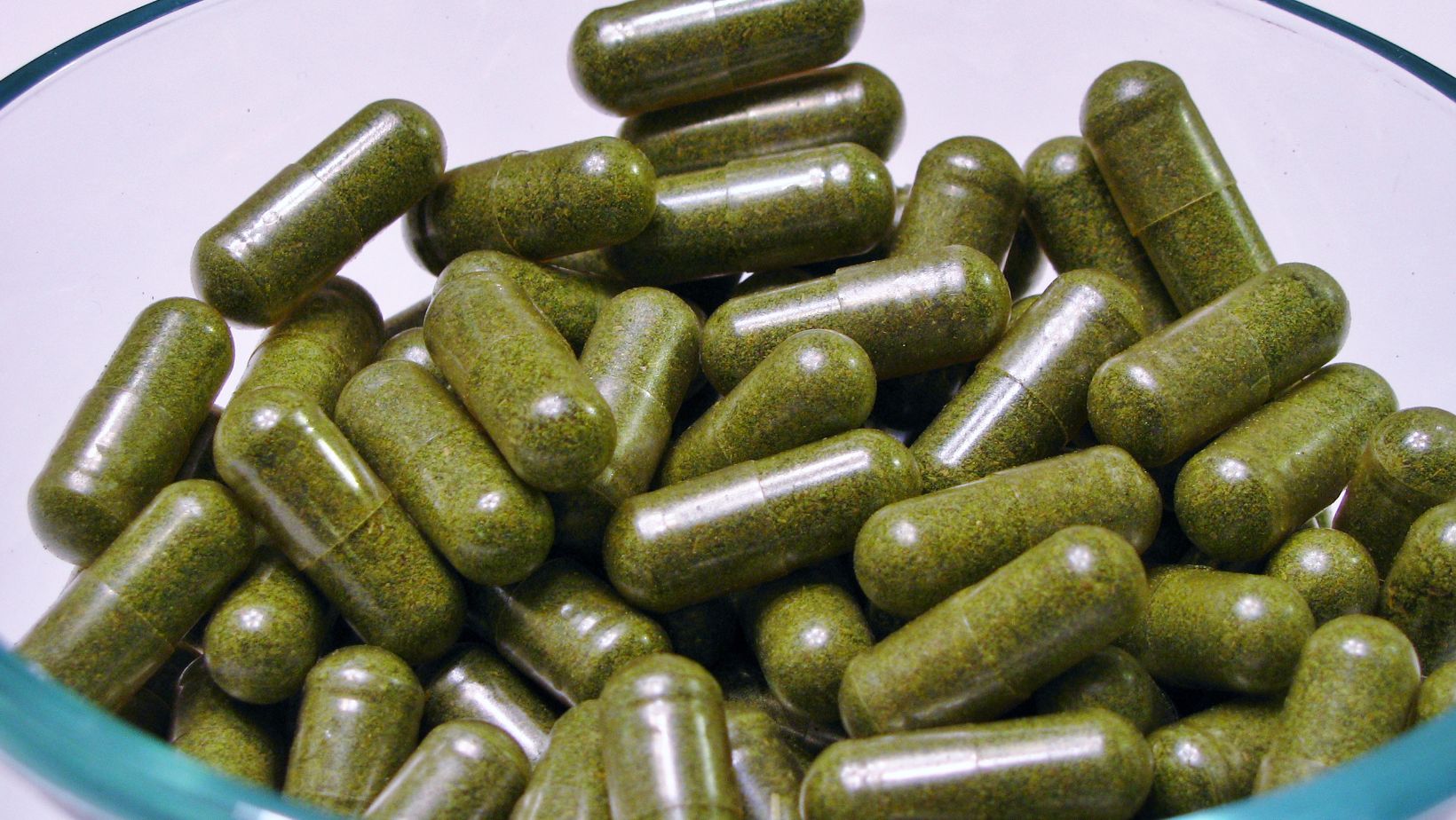
Once the extract is ready, it’s carefully measured and loaded into the empty capsule shells. These shells are then sealed, ensuring the powder inside stays fresh and protected from air and light. Because the powder isn’t heavily compressed, it remains loose inside the capsule. This is an important detail when we talk about how your body processes it.
What About the Creation of Mushroom Tablets?
Making a tablet is a bit more like baking. You start with the same mushroom powder, but instead of just putting it in a container, you mix it with binding agents. These are safe, inactive ingredients that help the powder stick together when it’s put under immense pressure.
This mixture is then fed into a machine that compresses it with thousands of pounds of force into the familiar pill shape we call a tablet. Sometimes, tablets are also given a coating to make them easier to swallow or to protect the ingredients from stomach acid. This compression and the addition of binding agents are what make tablets hard and dense.
Which One Does Your Body Absorb Faster?
When you take a supplement, you want your body to get the good stuff as efficiently as possible, right? The speed of absorption, or bioavailability, is a major factor when choosing between capsules and tablets.
Generally, capsules tend to be absorbed faster. Once the capsule reaches your stomach, its thin shell quickly dissolves, releasing the loose powder inside. Your body can then get to work absorbing the mushroom extract without much delay.
Tablets, because they are so compressed, can take a bit longer to break down. Your digestive system needs to work a little harder to dissolve the solid pill before it can access and absorb the active ingredients. For most people, this difference might only be a matter of minutes, but if you’re looking for quicker effects, a capsule might have a slight edge.
Are There Any Taste or Swallowing Differences?
Let’s be honest, not all supplements taste great. This is where capsules really shine. The powder is sealed inside a tasteless shell, so you don’t have to worry about any earthy or bitter flavors. If you’re sensitive to taste, capsules are a clear winner.
Tablets can sometimes have a distinct taste, especially if they are uncoated. While many have coatings to mask the flavor, they can still start to dissolve on your tongue.
When it comes to swallowing, it’s a matter of personal preference. Capsules are typically lighter and smoother, which some people find easier to get down. Tablets can be denser and feel a bit chalky, but they often come in smaller, more streamlined shapes. If you have trouble swallowing pills, you might find one form easier than the other.
Which Option Offers More Purity and Potency?
Purity is a big deal when it comes to supplements. You want the active ingredients without a lot of extra fluff.
Capsules often contain fewer additional ingredients. They are primarily just the mushroom powder inside a shell. This makes them a great choice for people who want a more “pure” product with minimal additives.
Tablets, by their very nature, require binding agents, fillers, and sometimes coatings to hold their shape and ensure stability. While these additives are safe for consumption, they do mean the product isn’t 100% mushroom extract. However, reputable brands use minimal and high-quality binders to ensure the potency of the tablet remains high. Both forms can deliver a precise and effective dose when sourced from a trusted manufacturer.
Frequently Asked Questions (FAQs)
1. Can I open a mushroom capsule and mix the powder with food or drink?
Yes, you absolutely can! This is one of the great benefits of capsules. If you have trouble swallowing pills, you can easily open one up and sprinkle the powder into a smoothie, yogurt, or even your morning coffee.
2. Do tablets have a longer shelf life than capsules?
Tablets generally have a longer shelf life because they are so tightly compressed and often coated, which protects the ingredients from humidity and oxidation. Capsules are also very stable, but they can be more sensitive to moisture.
3. Is one form more cost-effective than the other?
The cost can vary depending on the brand and the complexity of the formulation. Sometimes, tablets are slightly less expensive to produce, but the price difference to the consumer is usually minimal. It’s best to focus on quality and which form suits your needs.
4. Are there other ways to take mushrooms?
Of course! If neither capsules nor tablets sound right for you, there are many other options. Mushroom gummies offer a tasty, chewable alternative, while mushroom disposable vapes provide a fast-acting method. You can even find delicious mushroom bars for a wellness-boosting snack.
So, What’s the Final Verdict?
Choosing between mushroom capsules and tablets comes down to what you value most.
You might prefer mushroom capsules if:
- You want faster absorption.
- You are sensitive to taste.
- You prefer fewer additives in your supplements.
- You want the flexibility to mix the powder into food or drinks.
You might lean towards mushroom tablets if:
- You’re looking for a longer shelf life.
- You don’t mind a slightly slower breakdown process.
- You find dense, smooth pills easier to swallow.
Ultimately, both capsules and tablets are excellent ways to incorporate the benefits of mushrooms into your life. The best choice is the one that you’ll be happy to take consistently. Listen to your body, consider your preferences, and you’ll make the right decision for your wellness journey.